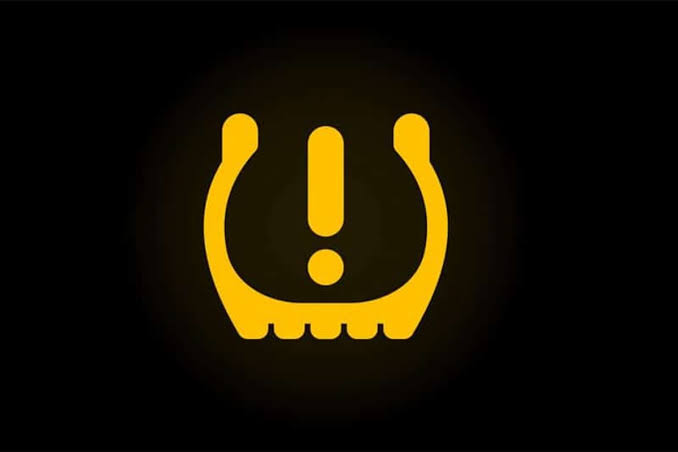
What the light is telling you
The tyre pressure monitoring system, or TPMS, watches the pressure in each tyre and warns you when one drops. The symbol is an amber horseshoe shape with an exclamation mark in the middle. New passenger cars sold in the EU have had to carry it since November 2014, under EU Regulation 661/2009, so most cars on Irish roads now have one.
The light is a warning, not a fault code. It does not tell you which tyre, or why. That is the next job.
Steady or flashing?
A steady light usually means at least one tyre is low. A light that flashes for a minute or so when you start the car, then stays on, usually means the system itself has a problem, such as a dead sensor or one that has not been programmed to the car.
| What you see | Likely cause | What to do |
|---|---|---|
| Steady light | One or more tyres low | Check and inflate all four, cold |
| Steady light that returns | Slow puncture | Get the tyre inspected |
| Flashes, then stays on | Sensor or system fault | Book a TPMS check |
| On after new tyres or wheels | Sensor not fitted or not programmed | Bring it back to the fitter |
What to do when it comes on
Do not ignore it, but do not panic either. Pull in somewhere safe and take a look at all four tyres. If one is visibly flat, do not drive on it. Change to the spare or call for help, as driving on a flat tyre ruins it.
If they all look fine, check the pressures at the next garage with the tyres as cool as you can get them. Use the figures on the door pillar or fuel flap, not the maximum printed on the tyre. Some cars need the system reset from the dashboard menu after you inflate. The handbook will say.
If the light comes back within a few days, you probably have a slow puncture. Read when a puncture can be repaired, then book it in before the tyre is damaged.
Why it comes on when the weather turns
Air contracts as it cools. A drop of 10°C overnight can take roughly 0.1 bar out of each tyre, enough to tip a tyre that was already a little low past the warning point. That is why so many lights come on during the first cold week of autumn.
It is still worth checking properly. A cold snap and a slow puncture often arrive together. See our winter car checks for the rest of the list.
Sensors, batteries and new wheels
Most cars use direct TPMS: a sensor inside each wheel, usually on the valve, with a sealed battery that lasts around five to ten years. When the battery goes, the sensor is replaced. Some cars use indirect TPMS, which estimates pressure from the ABS wheel-speed sensors and has nothing inside the wheel.
If you fit new alloy wheels without sensors, or move to a winter set, the light stays on until sensors are fitted and programmed. We test, replace and programme sensors at Grattan Quay. See TPMS sensors.
Questions we get at the counter
Can I drive with the tyre pressure light on?
Carefully, to somewhere you can check the pressures. If a tyre looks flat, do not drive on it. If the light stays on after inflating, have it checked.
Why is the light on after I got new tyres?
A sensor may have been damaged during fitting, not programmed, or not refitted. Bring it to the fitter. If it was us, call Grattan Quay on 051 873777.
How long do TPMS sensors last?
Around five to ten years. The battery is sealed inside, so the whole sensor is replaced when it dies.
Will a tyre shop reset the light for free?
Resetting the light without finding the cause just means it comes back. We test the sensors and the tyres first, then fix what is actually wrong.
Send an enquiry
If you want us to read the size off the car, or quote a set, make an enquiry. We call you back. You pay in the workshop, not here.